blogs
Home | Blogs | List Of Famous Poets In India
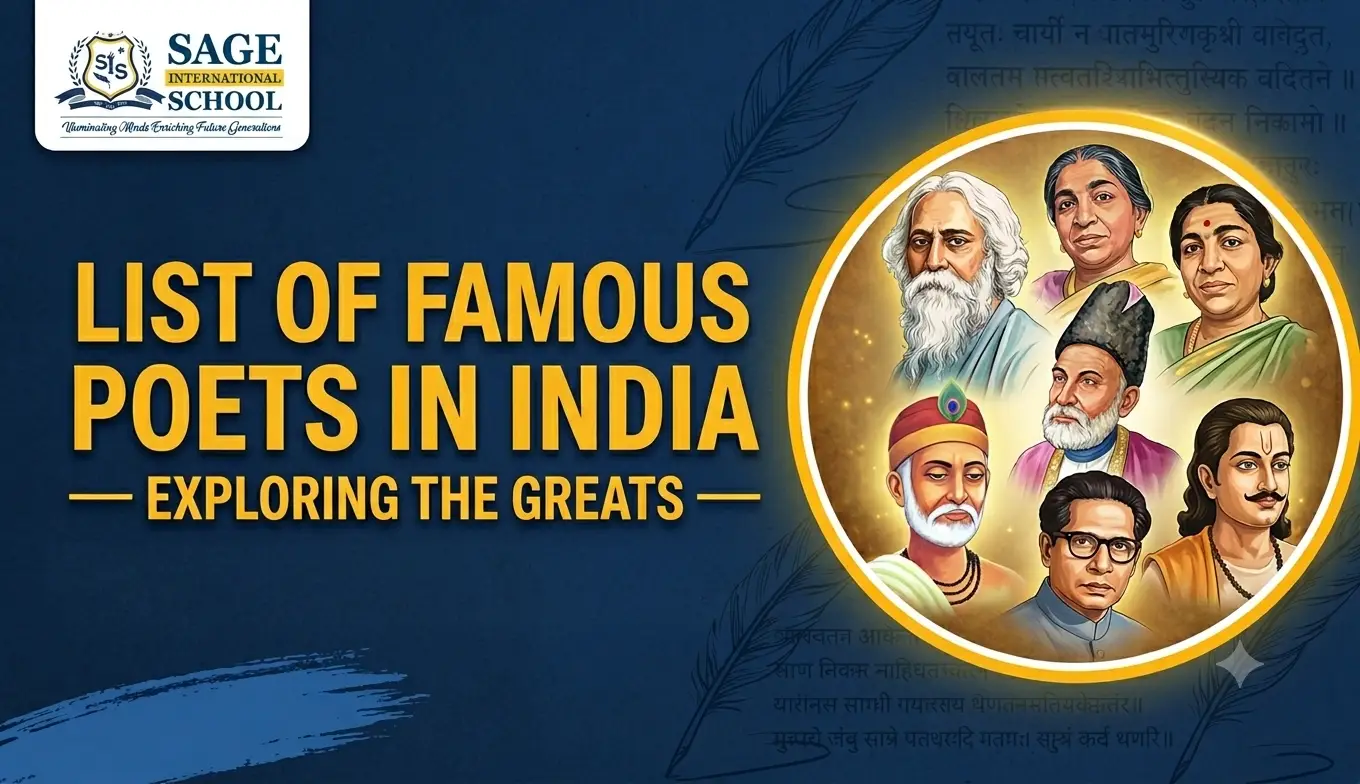
Quick Answer: India has one of the richest literary traditions in the world, with poetry dating back thousands of years. From the ancient epics of Valmiki to modern legends like Rabindranath Tagore, Indian poets have deeply shaped literature, philosophy, culture, and spirituality. This guide covers the most famous poets in India, their eras, major works, and fascinating facts.
India has a glorious history of literature and poetry spanning generations. Indian poets have explored diverse themes such as love, patriotism, devotion, equality, nature, and human emotions through their timeless creations. Today, these masterpieces continue to inspire students, researchers, teachers, and poetry enthusiasts across the globe.
Whether you're preparing for a school project, competitive exam, speech, assignment, or simply wish to explore the beauty of Indian literature, this comprehensive guide covers the most influential poets in India, their contributions, major works, languages, and fascinating facts.
Here is a quick overview of some of the greatest poets in Indian history, along with their primary languages, famous works, and eras:
| Poet | Language | Famous Work | Era |
|---|---|---|---|
| Valmiki | Sanskrit | Ramayana | Ancient |
| Kalidasa | Sanskrit | Meghaduta | Classical |
| Kabir | Hindi | Kabir Ke Dohe | Medieval |
| Tulsidas | Awadhi | Ramcharitmanas | Medieval |
| Mirza Ghalib | Urdu | Diwan-e-Ghalib | Modern |
| Rabindranath Tagore | Bengali | Gitanjali | Modern |
| Sarojini Naidu | English | The Golden Threshold | Modern |
| Harivansh Rai Bachchan | Hindi | Madhushala | Modern |
| Ramdhari Singh Dinkar | Hindi | Rashmirathi | Modern |
| Subramania Bharati | Tamil | Bharatiyar Kavithaigal | Modern |
| Kazi Nazrul Islam | Bengali | Bidrohi | Modern |
| Amrita Pritam | Punjabi | Ajj Aakhaan Waris Shah Nu | Modern |
| A. K. Ramanujan | English & Kannada | The Striders | Contemporary |
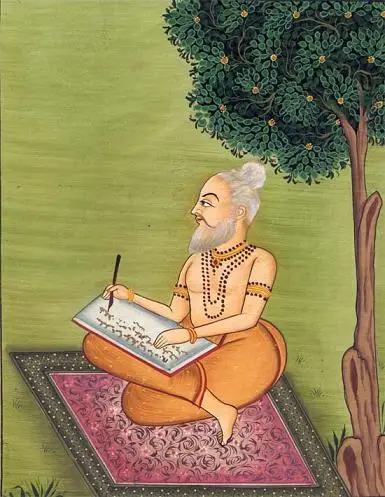
Valmiki is universally revered as the first poet of India and the author of the timeless epic, the Ramayana His literary masterpiece beautifully narrates the life of Lord Rama while teaching values such as righteousness, compassion, sacrifice, and duty.
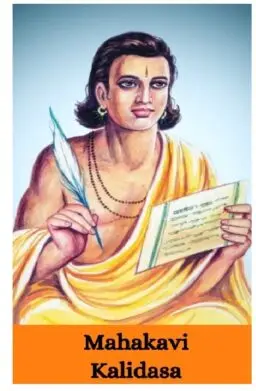
Kalidasa is celebrated as one of the greatest classical Sanskrit poets and dramatists. His writings beautifully blend romance, philosophy, and vivid descriptions of nature, making his works timeless classics.
Sant Kabir was a revolutionary saint-poet who boldly challenged social divisions, superstitions, and inequalities through his simple yet powerful couplets. His poems promote humanity, spirituality, equality, and self-realization.
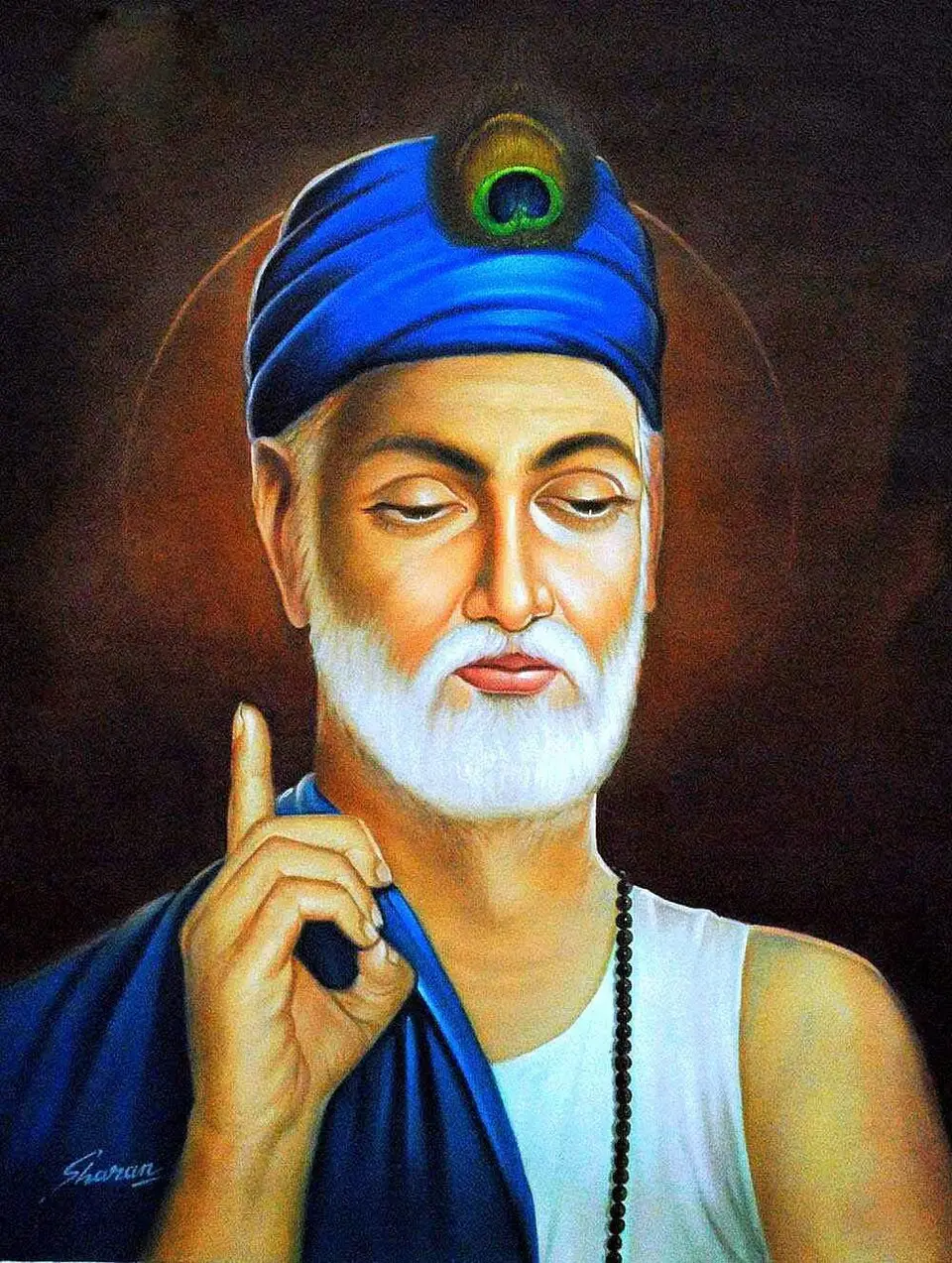
"Kal Kare So Aaj Kar, Aaj Kare So Ab."
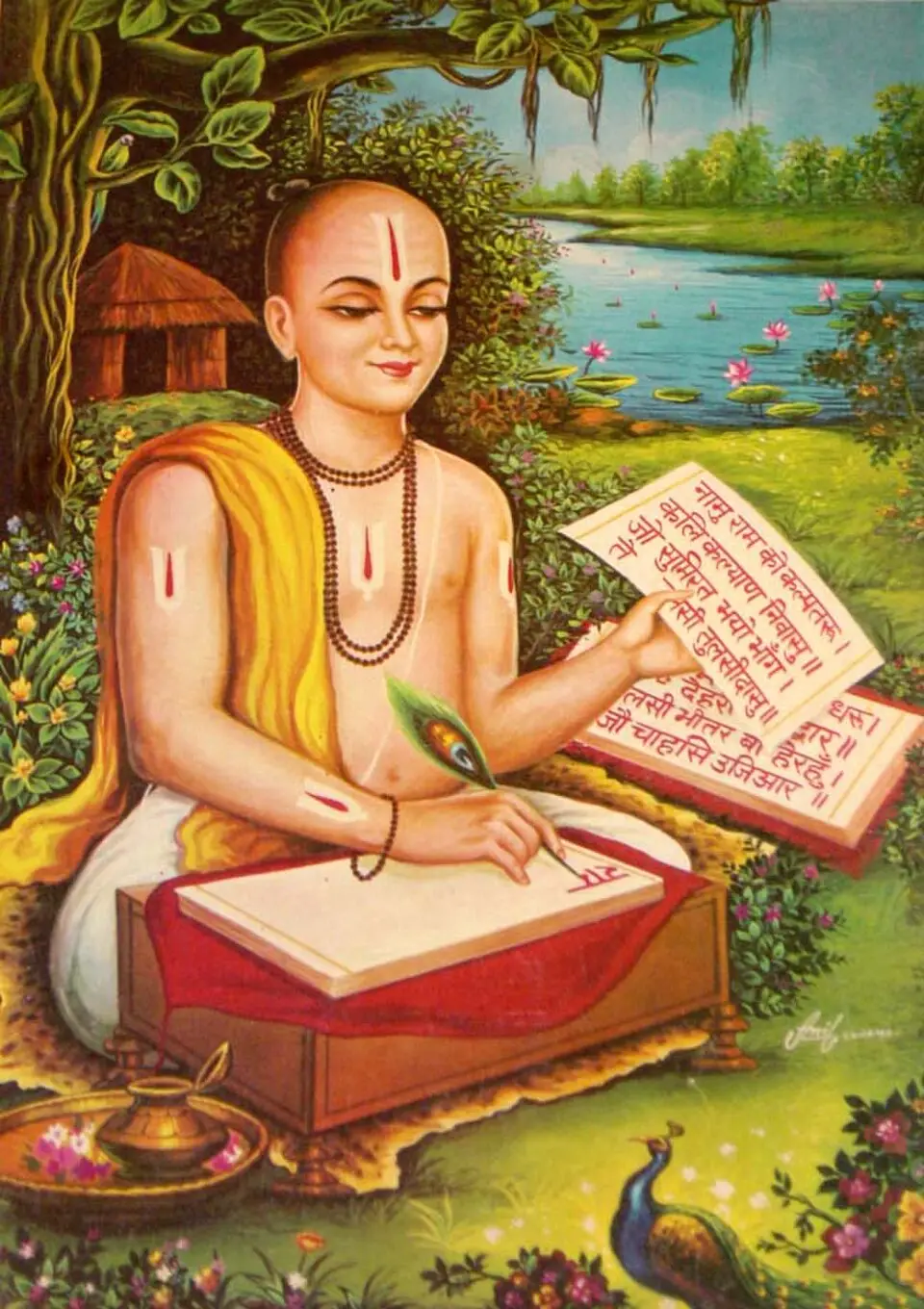
Goswami Tulsidas was a legendary soul who transformed the complex Sanskrit Ramayana into the accessible Ramcharitmanas, allowing millions to understand Lord Rama's life in their native language.
Mirza Ghalib is among India's greatest Urdu poets. His ghazals explore love, heartbreak, philosophy, destiny, and the complexities of human emotions. Even today, his poetry is quoted in films, literature, and music.
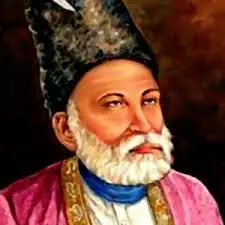
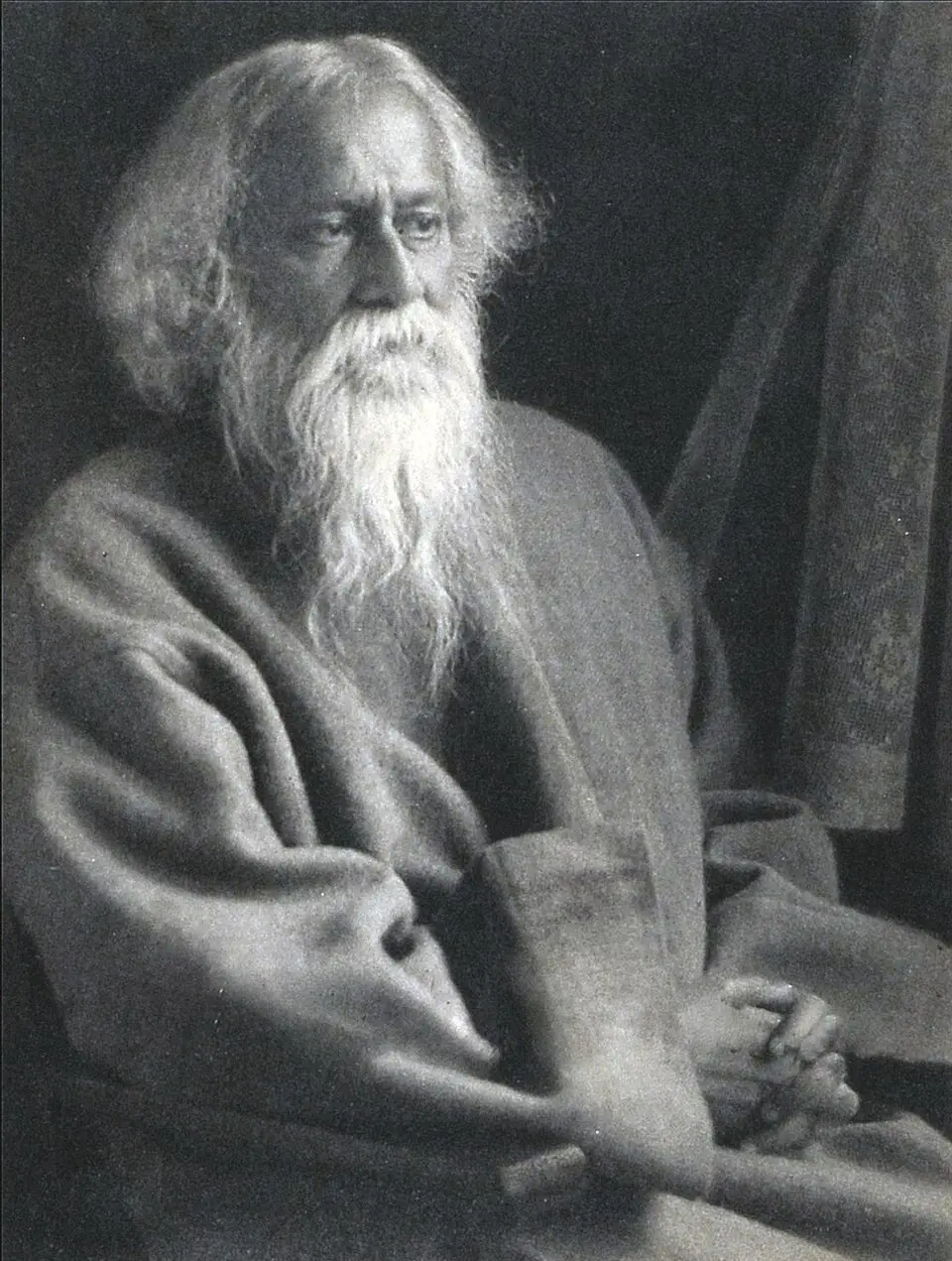
Rabindranath Tagore became the first Asian Nobel Prize winner in Literature. His poetry celebrates humanity, spirituality, nature, and freedom. He also wrote India's National Anthem, Jana Gana Mana.
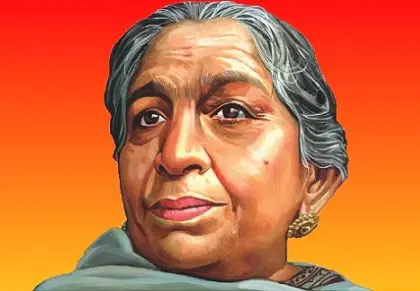
Affectionately known as the "Nightingale of India", Sarojini Naidu's lyrical poetry beautifully reflects Indian culture, patriotism, and nature while inspiring women across generations.
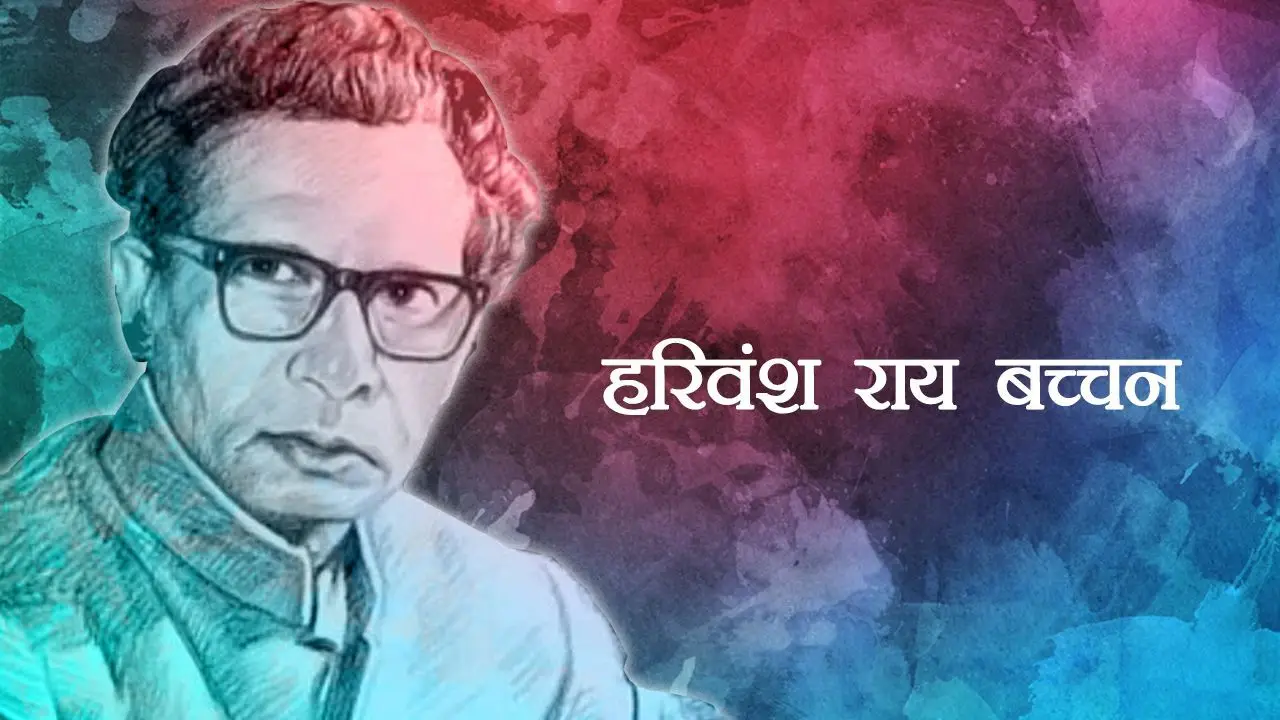
Harivansh Rai Bachchan completely revolutionized modern Hindi poetry through Madhushala, one of India's most celebrated poetry collections.
Known as Rashtrakavi (National Poet), Ramdhari Singh Dinkar’s fiery verses reflect patriotism, courage, social justice, and national pride.
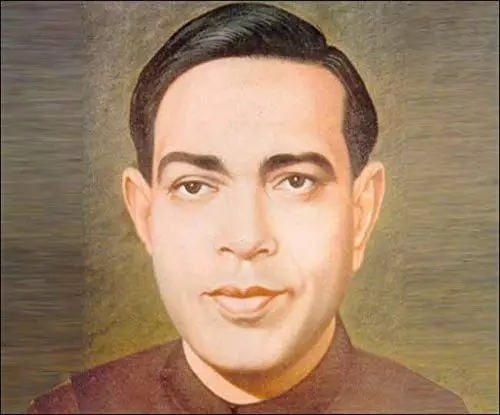
Subramania Bharati was a pioneer of modern Tamil poetry who fierily energized India's freedom movement with revolutionary poetry advocating equality, education, and social reform.
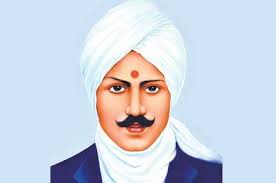
Popularly known as the "Rebel Poet", Kazi Nazrul Islam used poetry to challenge oppression and injustice, making him one of South Asia's most influential literary voices
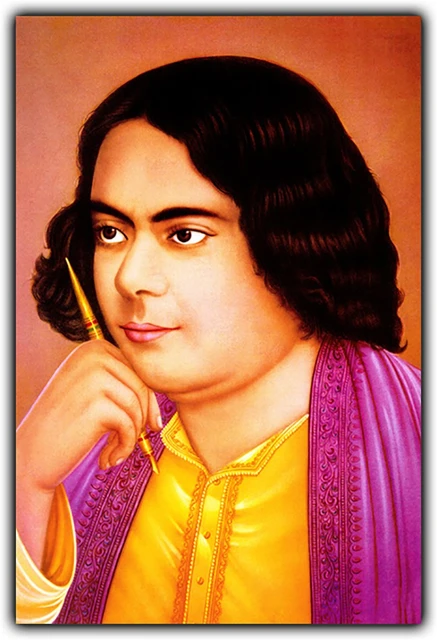
Amrita Pritam stands out as one of India's most influential female poets. Her writings focus on love, identity, partition, and women's empowerment.
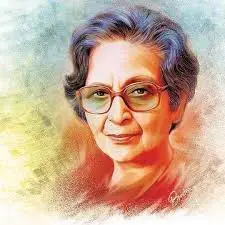
A. K. Ramanujan was a brilliant academic and contemporary poet who successfully blended Indian traditions with contemporary literary styles, earning international recognition.
To better understand the evolution of Indian literature, we can look at these maestros based on their historical eras
Indian poetry acts as a rich repository of our nation's history, spiritual evolution, cultural ethos, and values. For students, poetry enhances communication skills, critical thinking, and literary appreciation
It helps readers:
Indian literature has set milestones on the international stage, significantly influencing global literature through timeless works. Their contributions include:
Today, works by Tagore, Ghalib, Kalidasa, and Kabir continue to be translated into numerous languages worldwide.
Rabindranath Tagore is widely regarded as one of the most famous Indian poets globally, thanks to his Nobel Prize-winning work Gitanjali and his deep influence on global art
Sage Valmiki is recognized as the 'Adi Kavi' or the first poet of India and is the author of the holy Sanskrit epic, the Ramayana
Rabindranath Tagore became the first-ever Asian recipient of this honor, winning the Nobel Prize in Literature in the year 1913
Kabir is profoundly famous for his rhythmic couplets (Kabir Ke Dohe) that targeted social evils and strongly promoted humanity, religious harmony, and equality
Sarojini Naidu is widely celebrated as the "Nightingale of India" due to her highly lyrical, musical, and expressive poetry
The iconic Hindi poetry book 'Madhushala' was written by Harivansh Rai Bachchan.
Poetry improves vocabulary, imagination, creativity, communication skills, emotional intelligence, and appreciation of literature.