blogs
Home | Blogs | Friendship Day Activities For Students
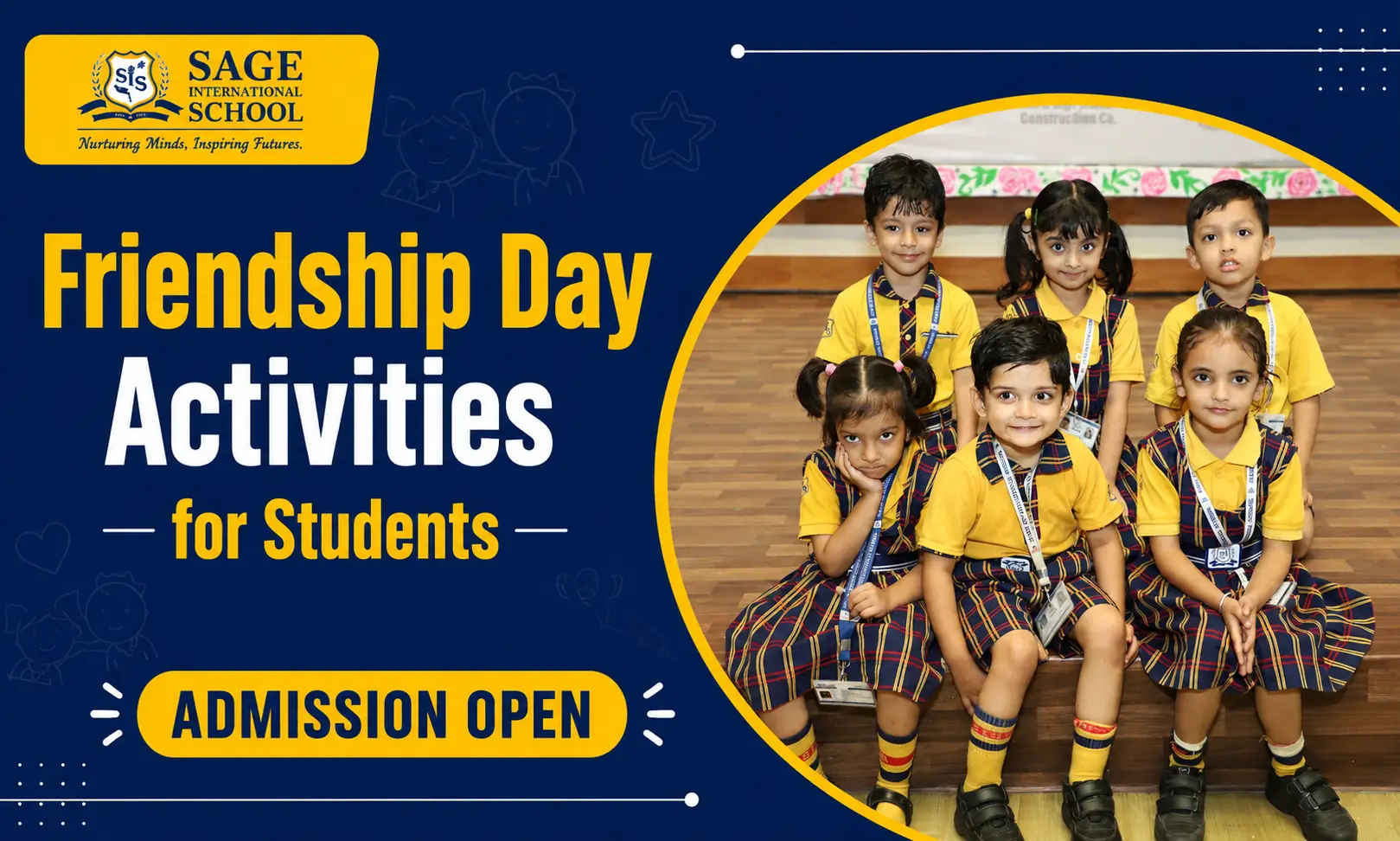
Quick Summary: Celebrating Friendship Day in schools goes beyond fun—it encourages Social and Emotional Learning (SEL), builds teamwork, empathy, and emotional intelligence, and equips students with foundational life skills to create a kind, inclusive classroom culture.
Different people become a part of our journey at different stages of life. The first companions are our parents and teachers, followed by friends who make school life brighter, happier, and filled with unforgettable memories. From asking, "Are you coming to school tomorrow?" to sharing lunch boxes, helping with homework, and celebrating achievements together, friendships become one of the most treasured parts of childhood.
That is exactly what Friendship Day celebrates—a bond built on kindness, trust, empathy, teamwork, respect, and mutual support.
School activities help children understand the true meaning of friendship through fun, engaging, and meaningful experiences. Whether it is a colourful craft session, exciting games, or thoughtful classroom discussions, Friendship Day activities for students encourage stronger relationships while helping children develop important life skills like communication, collaboration, and emotional intelligence.
If you're looking for creative Friendship Day celebration ideas for school in 2026, this guide includes engaging classroom games, creative crafts, team-building activities, and meaningful ideas suitable for preschool, primary, middle, and high school students.
Friendships begin to flourish when children interact, learn, and grow together in school. These relationships help students develop communication, collaboration, empathy, and problem-solving skills while creating memories that last a lifetime.
Friendship Day celebrations are much more than fun classroom events. They encourage Social and Emotional Learning (SEL) by helping children understand the importance of kindness, teamwork, inclusion, gratitude, and respect. Such celebrations also contribute to holistic education by creating a positive, supportive, and inclusive classroom environment where every child feels valued.
Friendship Day celebrations help to:
When Friendship Day activities are thoughtfully planned, they become meaningful learning experiences that teach values children carry throughout their lives.
No Friendship Day celebration feels complete without friendship bands, but this classic activity becomes even more meaningful when students attach a handwritten note with every band.
Instead of simply tying friendship bands, encourage children to write:
This thoughtful gesture teaches gratitude, appreciation, positive communication, and emotional expression.
Students learn to appreciate one another while strengthening their friendships through meaningful conversations. Among all Friendship Day activities for students, this remains one of the simplest, most memorable, and most loved classroom traditions.
One of the most engaging Friendship Day classroom activities is creating a Friendship Tree.
How to do it?
By the end of the session, the classroom transforms into a colourful Friendship Tree filled with positive thoughts and promises.
This activity encourages gratitude, appreciation, and positive classroom interactions while helping students understand that even small acts of kindness contribute to a stronger school community.
Transform the classroom into an interactive learning space with Friendship Bingo.
Create bingo cards with statements such as:
Students move around the classroom, interact with their classmates, and find someone matching each description.
This activity helps children make new friends beyond their regular social circles while improving communication and confidence. Friendship Bingo is one of the best Friendship Day classroom games because it encourages every student to participate.
Kind words have the power to build confidence and strengthen friendships.
Ask students to sit in a circle. One student begins by giving a genuine compliment to the person sitting beside them.
Examples include:
This simple activity boosts confidence while promoting kindness, respect, and appreciation among classmates.
Teachers can easily adapt this activity for students of different age groups, making it one of the easiest Friendship Day school activities that requires little to no preparation.
Looking for exciting Friendship Day games for students?
Organise a treasure hunt where students work in teams rather than individually.
Each clue should require teamwork, such as:
Instead of rewarding only the winning team, recognise teamwork, communication, creativity, participation, and problem-solving.
This team-building activity develops leadership skills while teaching children that collaboration often leads to better outcomes than competition.
Creative sessions are among the most loved Friendship Day crafts for students because they encourage imagination while helping children express appreciation for their friends.
Provide:
Students can design:
These handmade gifts carry far more emotional value than store-bought ones because they reflect creativity, gratitude, and thoughtfulness. This activity also improves fine motor skills, artistic expression, and emotional connection among classmates.
This energetic team-building activity encourages communication, cooperation, and critical thinking.
Ask students to stand in a circle and hold random hands without letting go. The objective is to work together to untangle themselves into a complete circle again.
This challenge teaches:
It is one of the most engaging Friendship Day games for kids because success depends entirely on communication and collaboration rather than individual performance.
Storytelling allows children to express their thoughts and emotions naturally while strengthening communication skills.
Ask students to speak for one or two minutes about:
Teachers can also encourage shy students by allowing them to draw their stories instead of speaking.
This activity develops confidence, listening skills, creativity, and emotional expression while encouraging children to appreciate meaningful friendships.
Create a classroom wall where students write anonymous appreciation notes for their classmates.
Examples include:
Reading these messages creates a positive classroom atmosphere, boosts confidence, and reminds students that small acts of kindness make a big difference.
The Friendship Wall becomes a lasting reminder of empathy, inclusion, and appreciation throughout the school year.
Role-playing is one of the most practical Friendship Day classroom activities because students learn through real-life situations.
Divide students into groups and provide scenarios such as:
Students perform short skits showing positive ways to respond.
Role play helps children understand empathy, conflict resolution, cooperation, inclusion, and respectful communication in everyday situations.
Print a large puzzle image and divide it into individual pieces.
Each student decorates one puzzle piece with:
Once all the pieces are assembled, students realise that every individual contributes to making the class complete.
This activity beautifully demonstrates that every student plays an important role in building a happy and supportive classroom community.
Instead of competitive awards, celebrate positive qualities that encourage kindness and teamwork.
Some award ideas include:
These appreciation awards motivate students to recognise good character, empathy, cooperation, and respect rather than academic performance alone.
Planning Friendship Day activities for kindergarten requires simple, colourful, and play-based experiences that are easy for young learners to enjoy.
Popular ideas include:
These activities help preschool and kindergarten students understand sharing, caring, cooperation, kindness, and friendship through fun and interactive learning experiences.
Give every student colourful paper strips.
Ask them to write:
Connect every strip into a giant paper chain and decorate the classroom.
This colourful visual reminder inspires students to practise kindness throughout the year while reinforcing the values of teamwork, gratitude, and respect.
End the celebration with an engaging classroom quiz.
Questions can include:
Add rapid-fire rounds, riddles, picture quizzes, and team challenges to make learning enjoyable.
This interactive activity reinforces everything students have learned throughout the celebration while making Friendship Day exciting and memorable.
Beyond classroom fun, Friendship Day activities help children develop essential life skills that contribute to academic success, emotional well-being, and healthy relationships.
These include:
These lifelong skills extend far beyond the classroom and help children become confident, compassionate, and responsible individuals.
To make your Friendship Day celebration enjoyable and meaningful:
"A memorable Friendship Day celebration doesn't need to be elaborate—it simply needs to make every child feel included, appreciated, and valued."
To make your Friendship Day ideas a success:
Thoughtfully planned celebrations leave lasting memories while helping children build meaningful friendships.
Friendship is one of the most precious gifts children experience during their school years. Friends make learning enjoyable, provide emotional support, and create memories that last a lifetime. Celebrating Friendship Day in schools is a wonderful opportunity to strengthen these relationships while teaching important values such as kindness, empathy, teamwork, respect, and gratitude.
Whether it's through exciting Friendship Day games, colourful crafts, thoughtful classroom discussions, or collaborative team-building activities, every experience helps children develop meaningful life skills that extend far beyond the classroom.
As schools continue to embrace holistic education in 2026, purposeful Friendship Day celebrations can help every child feel included, appreciated, and valued.
At Sage International School, Friendship Day celebrations are more than just an annual event—they are an opportunity to nurture compassionate, confident, and socially responsible individuals who understand that true friendship is built on kindness, trust, respect, empathy, and lifelong support.