
blogs
Home | Blogs | Six Seasons Of India Names Months Festivals

India is a country of huge geographical variations, from the Great Himalayas in the north to the coastal plains of the south, from the deserts of Rajasthan to the northeast. It is the difference in geography and topography which is responsible for various climatic conditions throughout the subcontinent. Unlike the Western system of only four seasons, the classical Indian calendar year divides the year into Six Seasons of India (Ritus). Each season lasts approximately two months and is characterized by its impact on nature, agriculture, festivals, and cultural traditions.
This six-season system has its basis in the Hindu calendar and Vedic customs, where the cycles of nature were carefully observed and respected. Even today, these weather patterns determine farming cycles, religious ceremonies, village traditions, and urban life. Let us take a close look at each of the Six Seasons of India, including their names in English and Hindi, their estimated duration, and their significance.
| Season | Ritu (Hindi) | Hindu Months | Gregorian Months | Key Festivals | Major Crops |
|---|---|---|---|---|---|
| Spring | वसंत ऋतु (Vasanta) | Chaitra, Vaishakha | Mid-Mar – Mid-May | Holi, Vasant Panchami, Baisakhi | Wheat, Mustard (Harvest) |
| Summer | ग्रीष्म ऋतु (Grishma) | Jyeshtha, Ashadha | Mid-May – Mid-Jul | Rath Yatra, Guru Purnima | Mango, Watermelon, Litchi |
| Monsoon | वर्षा ऋतु (Varsha) | Shravana, Bhadrapada | Mid-Jul – Mid-Sep | Raksha Bandhan, Janmashtami, Onam | Rice, Maize, Pulses (Kharif) |
| Autumn | शरद ऋतु (Sharad) | Ashvina, Kartika | Mid-Sep – Mid-Nov | Navratri, Durga Puja, Diwali | Rice, Sugarcane (Harvest) |
| Pre-Winter | हेमन्त ऋतु (Hemanta) | Margashirsha, Pausha | Mid-Nov – Mid-Jan | Bhai Dooj, Kartik Purnima | Wheat, Barley, Mustard (Sowing) |
| Winter | शिशिर ऋतु (Shishira) | Magha, Phalguna | Mid-Jan – Mid-Mar | Lohri, Makar Sankranti, Pongal | Wheat, Barley (Ripening) |
Months: Mid-March to Mid-May (Chaitra and Vaishakha)
Vasanta Ritu is widely regarded as the king of all seasons — and for good reason. After the cold winter months, nature wakes up in full bloom. Flowers blossom, trees grow fresh green leaves, and the morning air carries a pleasant warmth. The sun is gentle, days grow longer, and the countryside turns golden with wheat and mustard ready for harvest.
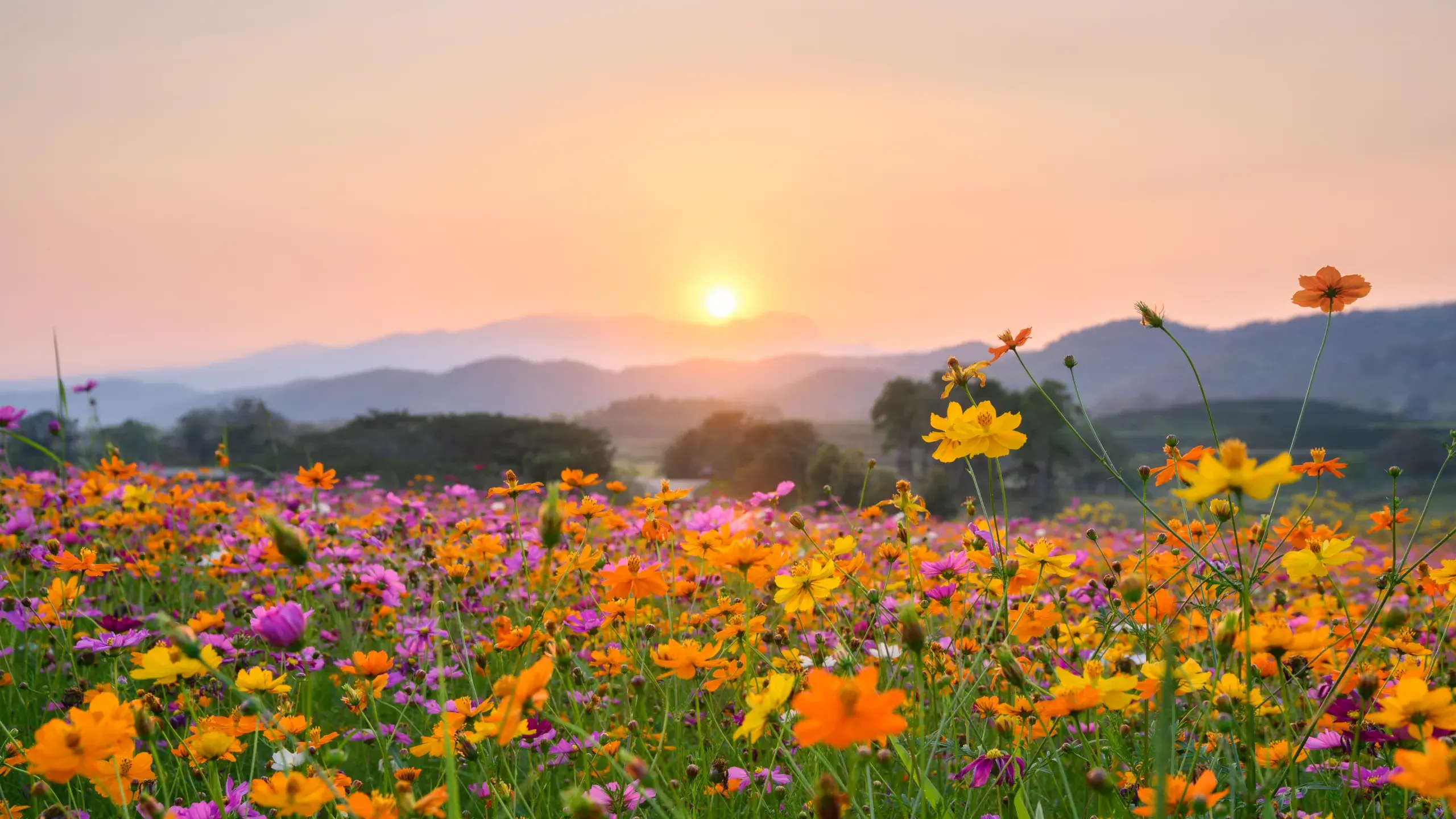
In classical Sanskrit literature, Vasanta is called Madhumas — the sweet month. The great poet Kalidasa glorified this season repeatedly in his works.
Months: Mid-May to Mid-July (Jyeshtha and Ashadha)
Grishma Ritu brings intense heat across India. Temperatures in the plains and desert regions can soar above 45°C, rivers shrink, and water scarcity becomes a real challenge in rural areas. Yet, despite its harshness, this season plays an important role in India's agricultural and cultural calendar.

Did you know? The Indian Grishma Ritu runs from May to July — unlike the Western "summer" (June to August). This distinction is often tested in competitive exams.
Months: Mid-July to Mid-September (Shravana and Bhadrapada)
Varsha Ritu is, without doubt, the most eagerly awaited season in India. When the first monsoon showers fall on parched earth, the entire country comes alive. Lush greenery spreads across fields and hillsides, rivers swell, and farmers begin the most important sowing cycle of the year.
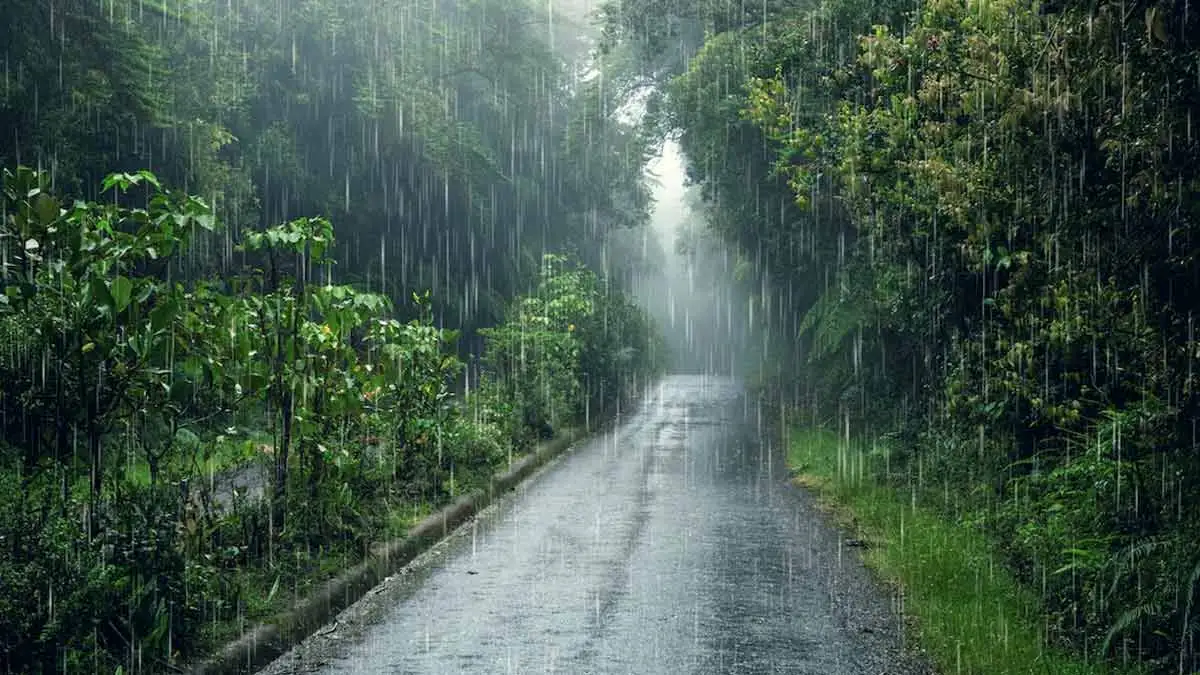
Months: Mid-September to Mid-November (Ashvina and Kartika)
After months of heavy rain, the skies clear to a brilliant blue. The air turns crisp and fresh. The land, nourished by the monsoon, bursts with a rich harvest — and India's grandest festivals arrive one after another. Sharad Ritu is the season of prosperity and celebration.
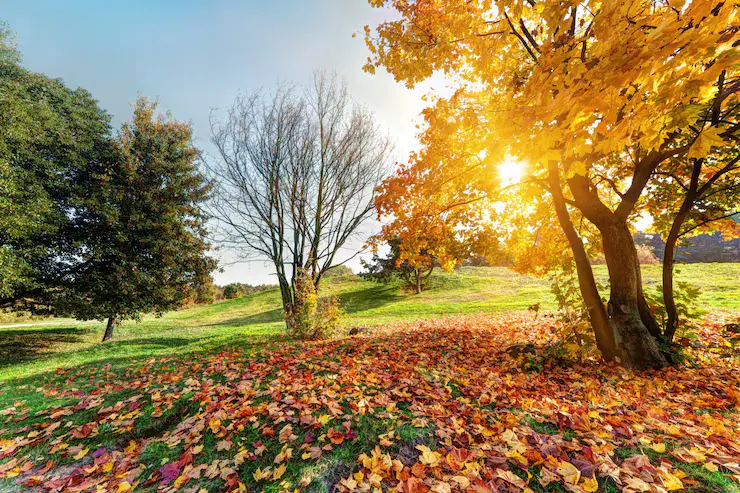
Months: Mid-November to Mid-January (Margashirsha and Pausha)
Hemanta Ritu is the gentle bridge between the warmth of autumn and the deep chill of winter. Mornings and evenings turn noticeably cool, dew settles on grass and crops, and people begin reaching for their woollens. Yet the afternoons remain pleasant — making this one of the more comfortable seasons in much of India.

Commonly confused: Hemanta and Shishira both feel like "winter." The key difference — Hemanta is pre-winter (mild cold, pleasant afternoons), while Shishira is peak winter (intense cold, frost, snowfall in hills).
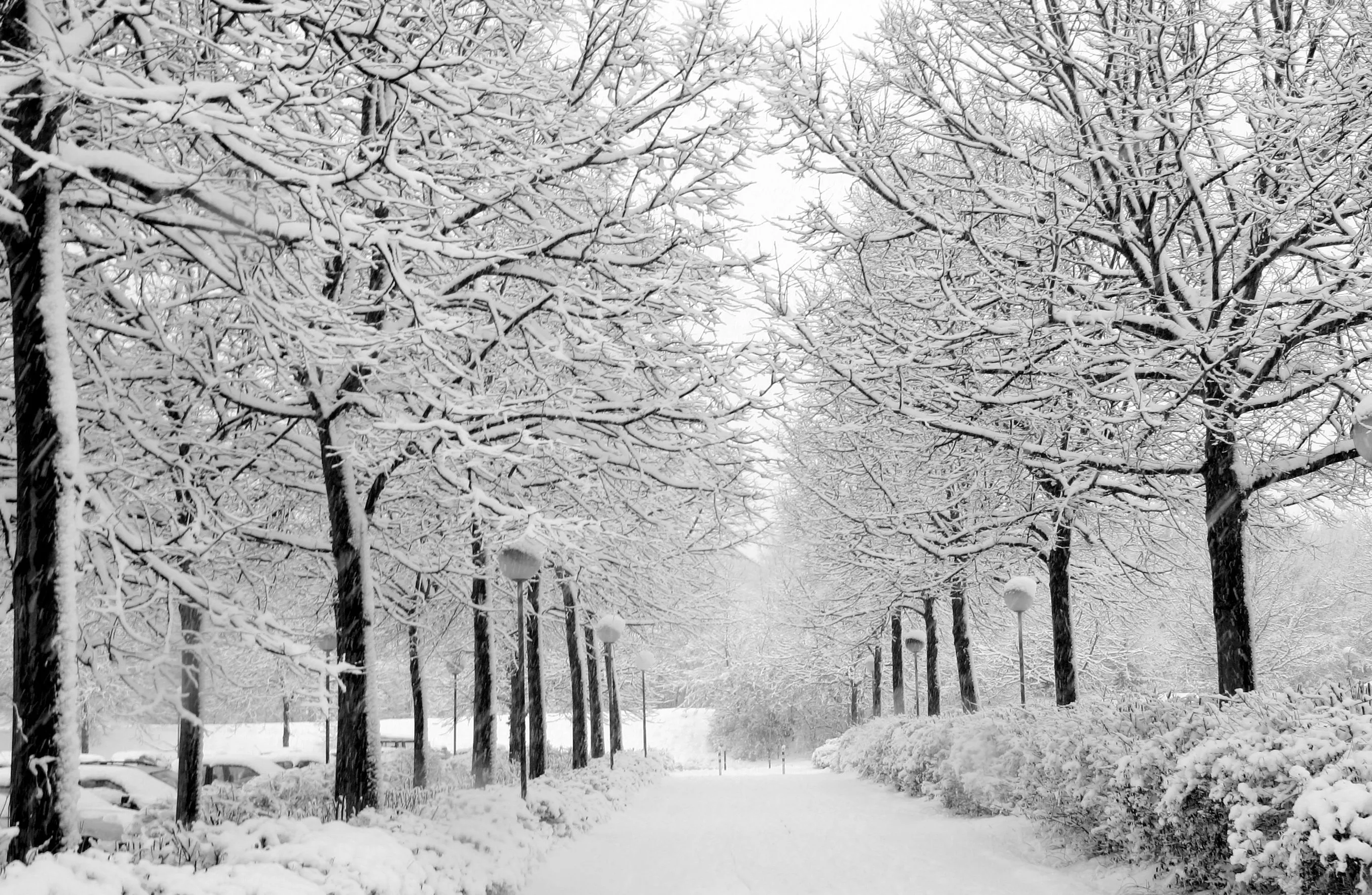
Months: Mid-January to Mid-March (Magha and Phalguna)
The sixth and final season of the Indian calendar is also the coldest. Northern plains experience dense fog, frost, and biting cold winds. Mountainous regions see heavy snowfall. Nights are long, days are short — and staying warm becomes the top priority for most Indians.
The six seasons of India — Vasanta, Grishma, Varsha, Sharad, Hemanta, and Shishira — are far more than entries in a textbook. They are the living rhythm of Indian civilisation, shaping what we eat, how we celebrate, what we grow, and how we live. While modern climate change has altered some of these patterns, the traditional six-season framework continues to guide India's cultural and agricultural calendar.
Understanding these seasons deepens our appreciation of India's extraordinary diversity — and reminds us of the timeless relationship between human life and the natural world.

According to the traditional Hindu calendar (Ritu Chakra), the year is divided into six seasons: Vasanta Ritu (Spring), Grishma Ritu (Summer), Varsha Ritu (Monsoon), Sharad Ritu (Autumn), Hemanta Ritu (Pre-winter), and Shishira Ritu (Winter). Each lasts for about two months.
Not exactly. In northern India, the seasons are highly distinct with extreme summer heat and cold winters. In southern and coastal regions, the monsoon dominates while winter remains very mild. In the Himalayan belt, winter is exceptionally long and harsh, cutting short the spring and autumn periods.
Monsoon (Varsha Ritu) brings about 70% of India’s annual rainfall. It is critical for recharging groundwater, filling reservoirs, and providing necessary water to major crops like paddy, sugarcane, and cotton. A weak monsoon directly impacts rural livelihoods and the overall economy.