blogs
Home | Blogs | Career Counselling High School Students
High school is one of the most important phases in a young person's life — not just academically, but in terms of self-discovery. The decisions made during these years can shape the direction of an entire career. Yet, with hundreds of professions, degree programmes, and vocational paths available today, making the right choice can feel overwhelming.
That is exactly where career counselling comes in. It is a structured, professional process that helps students understand who they are, what they are good at, and which career paths align with their strengths and goals. This guide explains what career counselling involves, why it matters, and how high school students can make the most of it.
Career counselling is a guided process through which trained professionals — known as career counsellors — help individuals explore career options, evaluate their abilities, and make informed decisions about their future. For high school students, it goes beyond simply suggesting a job title. It involves understanding a student's academic performance, personal interests, personality type, and long-term aspirations.
Through one-on-one sessions, psychometric assessments, and exploratory activities, career counselling bridges the gap between 'I don't know what I want to do' and 'Here is a clear, realistic path forward.'
Many students choose streams or subjects based on peer pressure, parental expectations, or simply what seems popular — without truly knowing whether it suits them. Career counselling addresses this by providing personalised, evidence-based guidance. Here is why it matters:
1. Helps Set Clear Career Goals
Without direction, students often drift from one interest to another. Career counselling helps them identify a focused goal, which in turn makes academic choices — like subject selection in Class 11 — much easier and more purposeful.
2. Opens Up Career Options They May Not Know About
Students are often unaware of emerging fields like data science, UX design, environmental law, or sports management. A career counsellor introduces a wider world of possibilities, ensuring students do not limit themselves to conventional paths by default.
3. Builds Self-Awareness
Through tools like personality assessments (such as MBTI or Holland Code) and aptitude tests, students gain a clearer picture of their own strengths, working styles, and areas for growth. This self-knowledge is invaluable — not just for career planning, but for life.
4. Supports Better Decision-Making
Career counselling teaches students to evaluate options logically — weighing their values, interests, and lifestyle goals — rather than making impulsive or pressure-driven decisions. This builds lifelong decision-making skills.
5. Reduces Stress and Builds Confidence
The pressure of 'figuring out your future' can be paralyzing. Having a structured, supportive process in place gives students confidence, reduces anxiety, and helps them feel in control of their own future.
Career counselling is not a single conversation — it is a step-by-step process. Here is what each stage typically involves:
Stage 1: Self-Assessment
The first step is looking inward. Students complete assessments that evaluate their interests, aptitudes, personality traits, and values. Common tools include aptitude tests, interest inventories, and personality profiling. The goal is to build a clear picture of who the student is.
Stage 2: Career Exploration
Armed with self-knowledge, students then explore careers that match their profile. This includes learning about job roles, industries, required qualifications, growth prospects, and day-to-day work environments. Career counsellors often use databases, career fairs, and guest sessions with professionals to bring careers to life.
Stage 3: Goal Setting
At this stage, students begin narrowing down their options and setting short-term and long-term career goals. For example, a short-term goal might be choosing the right stream in Class 11, while a long-term goal could be targeting a specific university programme or profession.
Stage 4: Action Planning
Goals mean nothing without a plan. This stage involves creating a concrete roadmap — identifying which subjects to study, which skills to develop, which entrance exams to prepare for, and what extracurricular activities or internships can strengthen their profile.
Stage 5: Review and Support
Career interests and circumstances can change. Ongoing counselling sessions help students review their progress, adjust their plans, and stay on track as they move through high school.
Career counselling sessions are most effective when students come prepared and stay proactive. Here are actionable steps students can take alongside formal counselling:
1) Talk to professionals in fields you find interesting — a short informational interview can be eye-opening.
2) Attend career fairs, workshops, and seminars at your school or in your city.
3) Explore online resources: platforms like LinkedIn, Coursera, and NIOS career portals offer valuable industry insights.
4) Take on internships, volunteering, or project-based learning to test your interest in a field before committing.
5) Work on transferable skills like communication, problem-solving, teamwork, and time management — these matter in every career.
6) Keep a career journal to track your reflections, interests, and goals over time.
Parents play a powerful role in shaping how students approach career decisions. While it is natural to want the best for your child, it is equally important to allow them the space to explore and discover their own path. The most helpful thing a parent can do is listen without judgment, provide exposure to a variety of experiences, and trust the counselling process.
Parents should also be present in counselling sessions when appropriate, helping counsellors understand the family's context while remaining open to guidance that may challenge conventional expectations.
Key Takeaway
Career counselling is not about deciding a student's future — it is about empowering them to decide for themselves. The earlier students engage with the process, the better equipped they will be to navigate one of life's most important decisions with clarity and confidence.
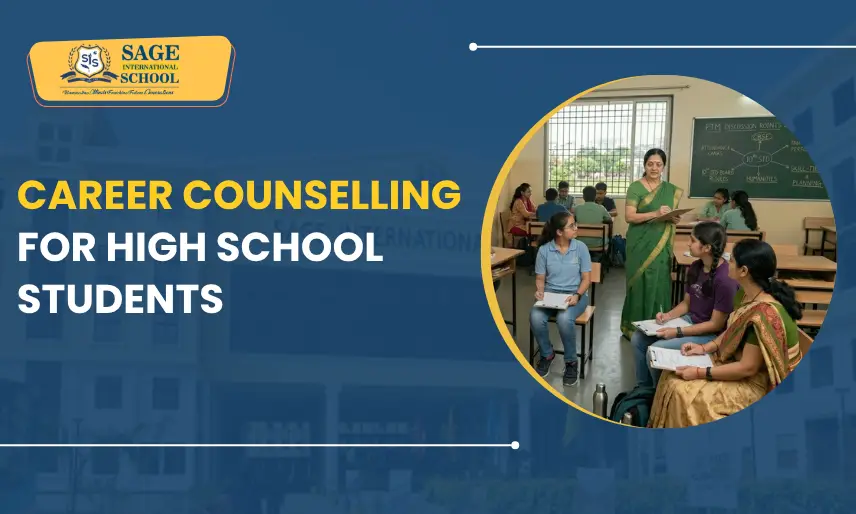
Sage International School, Kolar recently organized an insightful and motivating career guidance session for Grade 11 & 12 students. The session was conducted by Riddhi Singh Chauhan, a renowned Career Consultant and daughter-in-law of Shivraj Singh Chauhan, Honourable Minister of Agriculture & Farmers Welfare.
The session focused on helping students make informed career decisions while exploring dynamic and emerging opportunities in today’s competitive world. Ms. Chauhan shared valuable insights on career planning, future-ready skills, and the importance of aligning one’s passion with clear goals and dedication.
Students actively engaged in the session, gaining practical knowledge, clarity, and inspiration to confidently shape their career paths. Such initiatives reflect the school’s commitment to holistic development and preparing students for real-world challenges.
Events like these continue to empower young minds to dream big, stay focused, and achieve excellence in their chosen fields.
Choosing a career path is one of the biggest decisions a young person will make — but it does not have to be made alone or in a rush. Career counselling provides high school students with the tools, knowledge, and confidence to make choices that are right for them — not just for today, but for the long term.
If your school offers career counselling, encourage your child to participate actively. If it does not, consider connecting with a certified career counsellor in your area. The investment of time and effort now can make an enormous difference to a student's future success and satisfaction.